
Anizm: family films from Turkey, Iran and the Caucasus in English, from Children of Heaven and The White Balloon to The Chaos Class, Ayşecik, Keloğlan, Magdana's Donkey and Keto and Kote, and where to watch them
156 family films and series from Turkey, Iran, Georgia, Armenia, Azerbaijan, Kazakhstan, Greece and the Arab world: Iranian children's cinema, Turkish family comedies, classroom capers, child stars and fairy tales.

Latest titles
Children's classics from Iran, family comedies from Turkey and treasures from the Caucasus, each with a story in English. Start with the guides
 2026
2026 2025
2025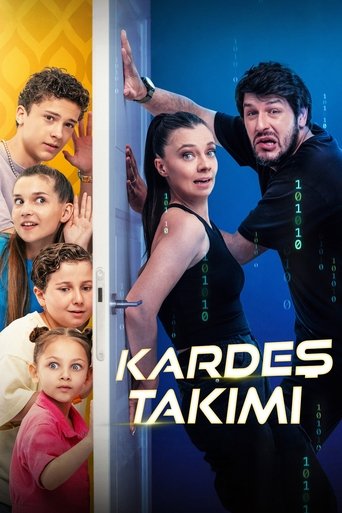 2024
2024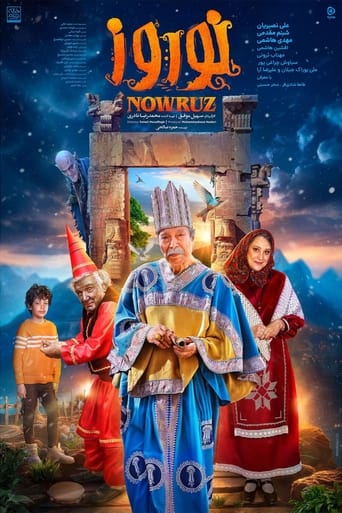 2024
2024 2024
2024 30. Ep.
 2023
2023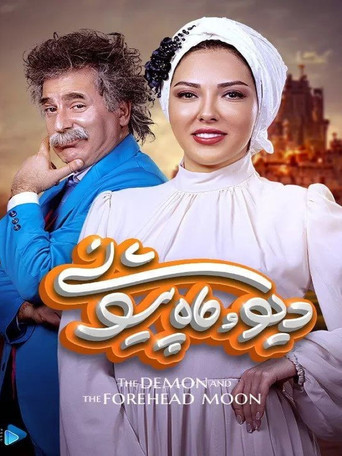 32. Ep.
 2023
2023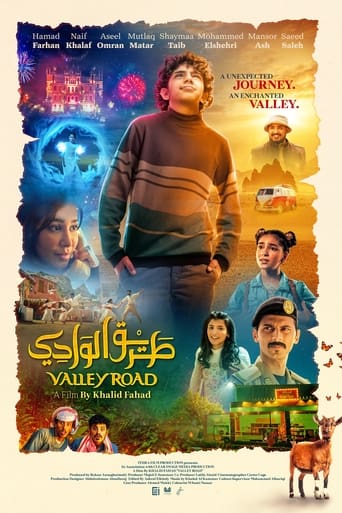 2023
2023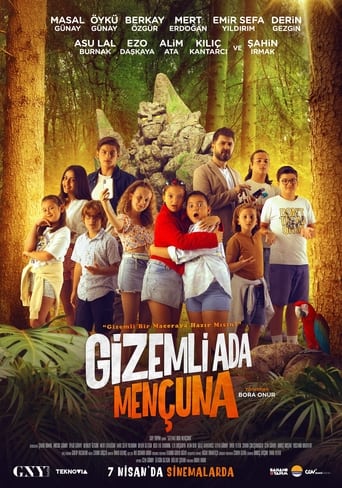 2023
2023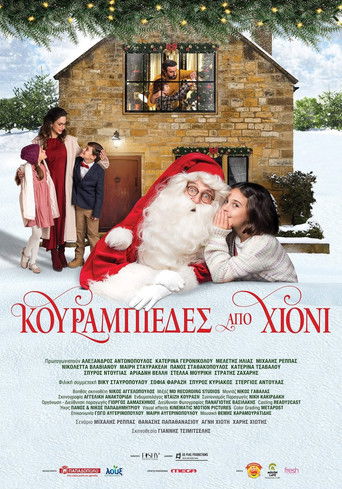 2023
2023 2023
2023Everyday heroes
 1999
1999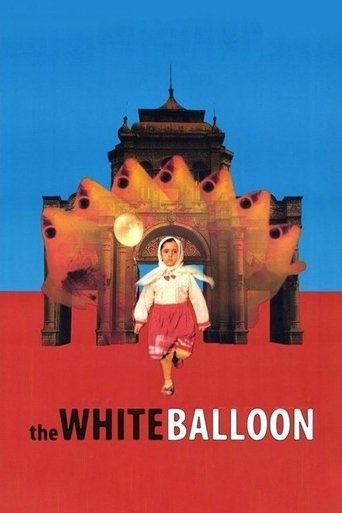 1995
1995 2019
2019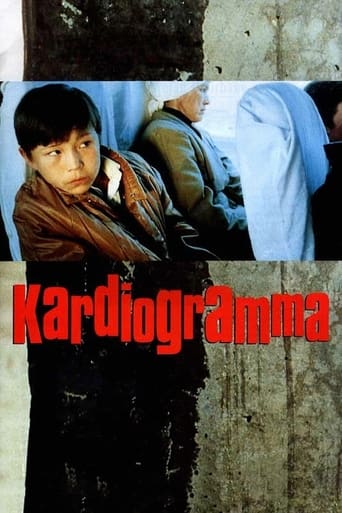 1995
1995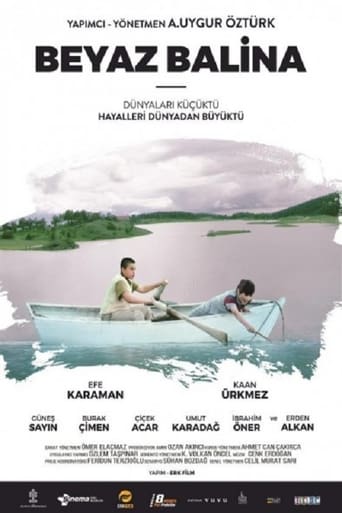 2017
2017 1974
1974 2008
2008 2018
2018 2004
2004Family calendar


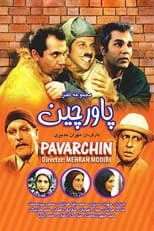
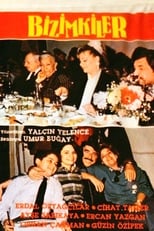

Guides
- Series 16
- Feature films 140
- Turkey 60
- Iran 42
- Caucasus and Central Asia 37
- Greece and the Arab world 17
- School stories 18
- Fairy tales and legends 25
- Child stars 13
- Everyday heroes 43
- Family comedies and adventures 44
- Before 1970 18
- 1970 to 1989 55
- The 1990s 18
- The 2000s 18
- The 2010s 25
- 2020 onward 22
- Top rated 33
- How to watch with Anizm
- Iranian children's cinema
- Short films for children
- Turkish family films
- School stories
- Child stars
- Georgia
- Armenia, Azerbaijan and Kazakhstan
- Fairy tales and legends
- Greece and the Arab world
- Family series
- Holidays and festivals
- A family film night
- Finding a title
- My List
Family films from the crossroads: the Anizm guide
Anizm: family films from Turkey, Iran and the Caucasus in English, from Children of Heaven and The White Balloon to The Chaos Class, Ayşecik, Keloğlan, Magdana's Donkey and Keto and Kote
Some of the most beautiful films ever made for children come from the lands where Europe and Asia meet. Iran gave the world Children of Heaven, The White Balloon and Where Is the Friend's House?, small stories about lost shoes, goldfish and school notebooks that moved audiences on every continent. Turkey gave it the comedies of Yeşilçam, the unruly pupils of The Chaos Class and the child stars Ayşecik and Yumurcak. Georgia gave it Magdana's Donkey and the musical comedies of old Tbilisi, Armenia and Azerbaijan gave it fairy tales and musical comedies from the studios of Yerevan and Baku, and Kazakhstan gave it the mischievous boy Kozha. Anizm gathers 156 family films and series from Turkey, Iran, Georgia, Armenia, Azerbaijan, Kazakhstan, Greece and the Arab world, made between 1945 and 2026, 140 films and 16 series, each with its own page, its story in English, its year, running time or episode list, and a Watch now button that leads to the official services carrying it in your country.
The catalogue has been chosen by hand for families. It runs from Arshin Takes a Wife, the Azerbaijani musical comedy of 1945, to the newest Turkish family comedies and Greek Christmas films. There are children's classics and school stories, child stars and fairy tales, everyday heroes on small quests, family comedies and the family television series that whole countries watched together.
Those themes form the shelves. Four country shelves gather 60 titles from Turkey, 42 from Iran, 37 from the Caucasus and Central Asia and 17 from Greece and the Arab world. School stories holds 18 titles, Fairy tales and legends 25, Child stars 13, Everyday heroes 43 and Family comedies and adventures 44. Two format shelves split the catalogue into Series and Feature films, the decade shelves trace the story through time, with 18 titles from before 1970, 55 from 1970 to 1989, 18 from the nineties, 18 from the 2000s, 25 from the 2010s and 22 from 2020 onward, and a Top rated shelf picks out the 33 titles audiences have scored most highly.
Anizm is for families who love good stories, for Turkish, Iranian, Georgian, Armenian and Azerbaijani families living abroad who want to share their favourite films with their children, for teachers looking for gentle films from other cultures, and for every film lover curious about the children's cinema of a fascinating corner of the world. The guides below suggest where to begin, which titles suit which ages and how to plan a film night at home.
How Anizm looks
Anizm takes its look from the Turkish site whose name it shares, a dark, lively home page with bright violet and blue details. The page is a deep charcoal, the header is a shade darker, and the menu links are set in white capital letters in Rajdhani, a crisp, slightly technical typeface. At the right, a small My List link and a bright blue button sit where the original placed its sign-up link and its blue Giriş Yap button.
Below the header, a wide dark panel holds the season's favourites, marked by a slanted violet tab, just as the original's panel was marked with Bu Sezon Popüler. On Anizm the panel holds the main heading, a short introduction, a search box and a row of favourite posters. The next section begins with a heading underlined in violet beside a blue-grey notice box with a serif heading, in the place where the original announced that it was looking for new translators.
The poster grid is the most recognisable part of the design. Each poster has a soft coloured glow around it, in amber, cyan or pink, and a solid blue tag at the bottom right, where the original showed the episode number and Anizm shows the year or the number of episodes. The title sits centred below each poster. Under the grid, a numbered pager in a light grey pill leads to the decade shelves.
Further down, the family calendar follows the original anime calendar. Grey bars stand in for the days of the week, one for each country and one for the series, and under each bar a row of dark cards shows a small poster, a title in capital letters and a short line with the year or the number of episodes. The footer is dark with a violet top line, the logo and a row of white capital links. Every colour comes from the archived style sheets: the charcoal page, the dark panels, the violet accent, the pure blue tags, the cyan, amber and pink glows and the grey calendar bars, with Rajdhani for headings and Rubik for text.
Using the site
Anizm is simple to use on a phone, a tablet or a computer. The search box finds any title by its English or original name, so typing Hababam, Ayşecik, Kozha or Magdana brings the right page straight up. The header links lead to the whole catalogue, to the Turkey, Iran and Caucasus shelves, to the series and to the A to Z list, and on a small screen the blue menu button opens the same links together with My List and the help pages.
Every title page shows the poster, the story in English, the year, the running time or the full episode list, the main cast, the director and the studio, together with the original title. A Watch now button sits near the top of the page. Choose your country once and Anizm remembers it, so the button always opens JustWatch for the right place.
My List is your personal shortlist. Add a film from its page and Anizm keeps it in this browser for you, ready for your next visit. When you want the list on another device, export it as a small file and import it there, perfect for picking a film on your phone and watching it with the family on a bigger screen.
Iranian children's cinema
Iran has one of the richest traditions of children's cinema in the world, and the Iran shelf holds 42 titles. Many of the finest were made with the support of Kanoon, the Institute for the Intellectual Development of Children and Young Adults, which opened a film department in Tehran in 1969 and gave young directors the freedom to make films about children's lives. Their films are simple on the surface, a child, a small problem and a single day, and deeply moving underneath.
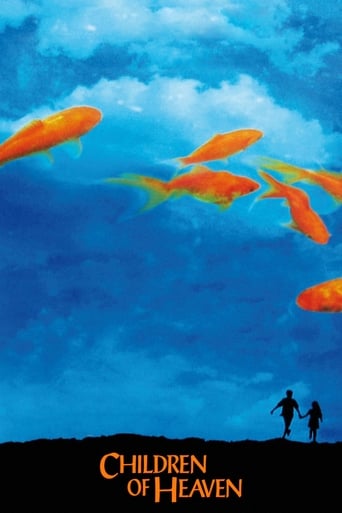
Children of Heaven, from 1997, directed by Majid Majidi, is the most famous of all. Ali, a boy from a poor family in Tehran, loses his little sister Zahra's only pair of shoes, and the two of them share Ali's sneakers in secret, running between their morning and afternoon school shifts and keeping the secret from their parents. When Ali learns that third prize in a children's running race is a new pair of shoes, he sets out to win it. The film was nominated for the Academy Award for best foreign-language film and has been loved by families around the world ever since.
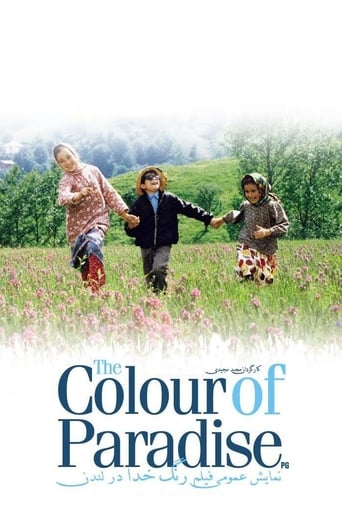
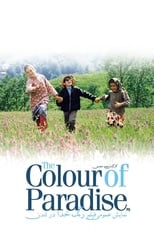
The Color of Paradise, also by Majidi, follows Mohammad, a blind boy who returns from his school in Tehran to spend the summer in his family's village, where he reads the world through the sounds of birds, the touch of wheat and the voices of his sisters. The Song of Sparrows follows a father who works on an ostrich farm and sets out to replace his daughter's hearing aid, a warm and funny story about family and small kindnesses.
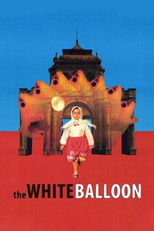
The White Balloon, from 1995, directed by Jafar Panahi from a script by Abbas Kiarostami, follows Razieh, a seven-year-old girl who sets out through the streets of Tehran on the eve of the Persian New Year to buy a plump goldfish for the family table. The Mirror, also by Panahi, follows a little girl who finds her own way home when her mother is late to collect her from school.
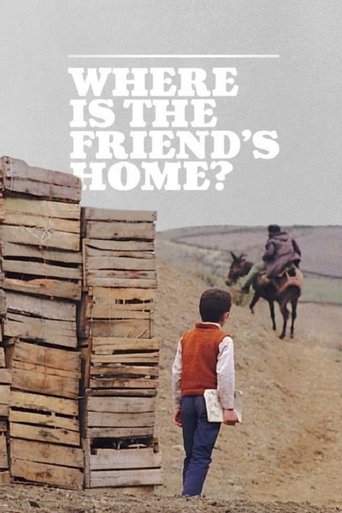
Where Is The Friend's House?, from 1987, directed by Abbas Kiarostami, follows Ahmad, an eight-year-old boy who realises he has taken his classmate's notebook by mistake and sets out across the hills to the next village to return it, so his friend will avoid trouble with the teacher. It is a small story told with great patience and beauty, and it is often counted among the greatest films ever made about childhood.
The Runner, from 1984, directed by Amir Naderi, follows Amiro, an orphan boy who lives in an old tanker on the shore of a port city and dreams of the faraway places he sees in the passing ships, and Willow and Wind follows a boy who breaks a window at school and sets out alone, through a great storm, to repair it. Bag of Rice follows a little girl and her elderly neighbour on a day of small adventures, and The Double Lottie follows a girl who discovers she has a double at another school.
Short films and puppets
Kiarostami began his career at Kanoon with a series of short films for children, and several are on Anizm. The Bread and Alley, from 1970, follows a boy carrying bread home who must find a way past a dog in a narrow alley. Breaktime follows a boy on his long, roundabout walk home from school, past a street where other children are playing football, and Two Solutions to One Problem shows two ways of ending a quarrel over a torn notebook, one with fists and one with friendship. So Can I follows two children who try to imitate the animals they see in a cartoon, one movement at a time.
Iranian children also grew up with puppets. City of Mice, from 1986, follows a group of mice forced to leave their school and their town by a hungry cat, and City of Mice 2, from 2014, returns to the same world a generation later. Kolah Ghermezi, the little puppet in a red hat, is one of the most beloved characters of Iranian television, and Redhat and Cousin and Redhat and Sarvenaz bring his mischief to the cinema.
Turkish family films
Turkey has a long and much-loved tradition of family cinema, and the Turkey shelf holds 60 titles. The golden age of Turkish popular film, known as Yeşilçam after the street in Istanbul where the studios stood, produced hundreds of comedies and melodramas in the sixties and seventies, and the best family comedies of that era are still shown on Turkish television every holiday.
Neşeli Günler, from 1978, is one of the most loved. Years after their parents' divorce divided the family in two, six brothers and sisters meet again by chance and set out to bring their parents back together. Smiling Eyes, from 1977, follows a couple who dreamed of a son and had five daughters in a row, and the comic adventures of the girls as they grow up, and Oh Olsun, from 1973, follows a wealthy man who teaches his three spoiled sons a lesson by sending them to work. Yedi Evlat İki Damat and Benim 6 Sevgilim are warm comedies about big families and the parents who hold them together.
Kemal Sunal is the most beloved comic actor in Turkish history, famous for his gentle, good-hearted characters. The Foster Brothers casts him as a sailor in the Ottoman navy, Sosyete Şaban as a country boy who falls for a society girl, and Billionaire as a humble civil servant who suddenly finds himself rich. Tosun Pasha, from 1976, is a riotous comedy about two rival Turkish families in nineteenth-century Alexandria, and There is a Lion in Every Heart follows a group of friends who find their courage.
The Chaos Class
The Chaos Class, known in Turkey as Hababam Sınıfı, is the most famous school comedy in Turkish history. Based on the stories of Rıfat Ilgaz, The Chaos Class, from 1975, follows the pranksters of the final year at a private boarding school, a gang of lovable rascals who have perfected every trick for avoiding work, until a wise and patient teacher, Mahmut Hoca, arrives and slowly wins their respect. The film made stars of its cast, above all Kemal Sunal as İnek Şaban and Münir Özkul as the teacher, and it led to a whole series of films.
The Chaos Class Is on Vacation, from 1977, sends the pupils on a summer holiday, Wacky Class Welcome, from 2004, brings the story to a new generation, and The Class of Chaos 3,5 continues it. The Chaos Class: Summer Games, from 2021, sends the class to a school tournament in Cyprus. Whole generations of Turkish families can quote the films by heart.
Child stars of Turkey
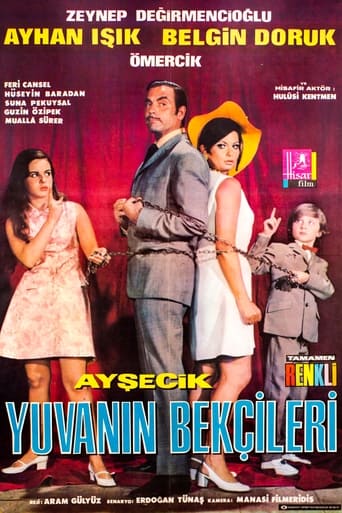
In the sixties and seventies, Turkish cinema had its own child stars, and their films were beloved by families across the country. The most famous was Zeynep Değirmencioğlu, known to every Turkish child as Ayşecik. In Ayşecik, from 1960, a little girl whose father has been wrongly sent to prison sets out to help him, in Ayşecik Çıtı Pıtı Kız she finds her way in Istanbul, and in Yuvanın Bekçileri she and her friend Ömercik try to stop their parents from divorcing. Kınalı Yapıncak and Gülşah Küçük Anne are tender stories of young girls facing hard times with courage, and Snow White and the Seven Dwarfs, from 1971, is a Turkish fairy tale with a child star in the leading role.
Yumurcak, from 1969, follows a naughty but lovable boy who is the darling of his neighbourhood, and Keloğlan, from 1965, brings to life the most famous hero of Turkish folk tales, a clever bald boy who outwits giants, bandits and sultans. Kadifeden Kesesi is a colourful fairy tale about three brothers sent on a quest by their father.
Turkish family films today
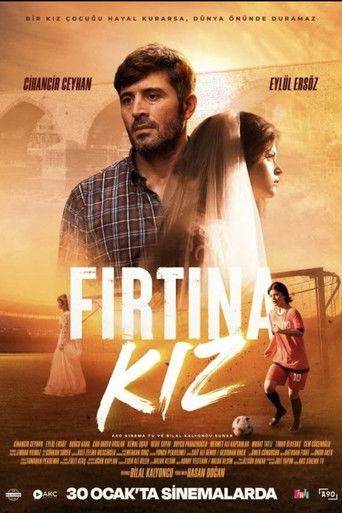
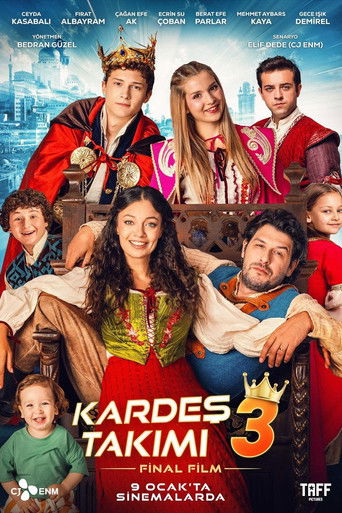
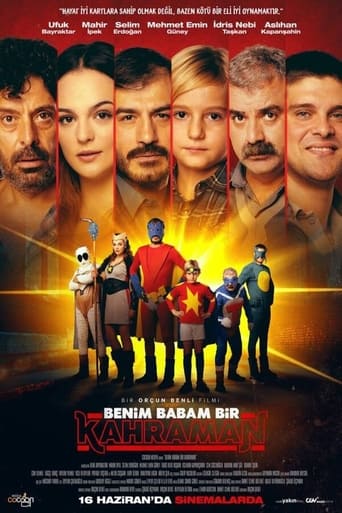
Turkish family cinema is still lively today. Siblings Team and Sibling Team 3 follow four brothers and sisters who discover that their family are secret agents, Arif V 216 follows a cheerful Istanbul man and his old friend from another planet, and Görevimiz Tatil follows a stingy father on a family holiday. My Father is a Hero follows a widowed father who builds a world of games and stories for his son, and Fırtına Kız follows a girl who inherits her father's talent.
The quieter films are among the most beautiful. Blue Bicycle follows a twelve-year-old boy in the Anatolian countryside who saves up for a bicycle, Beyaz Balina follows a boy and a man whose lives meet in a remote village, The Plane Tree follows a grandmother and her grandson during family picnics under a great tree, and Castle of Stories follows a girl who finds a magic key that opens the door to a world of stories. Bücür, Bizim Köyün Şarkısı, Benim Küçük Sözlerim, Kids on the Block and In My Dream are lovely smaller films about childhood and friendship.
Badi, from 1983, is a playful Turkish film about a boy who befriends a stranded visitor from space and helps him find his way home, and Gizemli Ada Mençuna follows children drawn into the world of a video game.
Georgia
Georgian cinema is one of the great treasures of the former Soviet world, famous for its warmth, humour and poetry, and Georgia gives the Caucasus and Central Asia shelf 18 titles. Magdana's Donkey, from 1955, directed by Tengiz Abuladze and Revaz Chkheidze, follows a poor widow and her children who rescue an old donkey left to die by the roadside, nurse it back to health and then must defend it when its former owner, a wealthy merchant, demands it back. The film won a prize at the Cannes Film Festival and remains one of the most loved Georgian films.
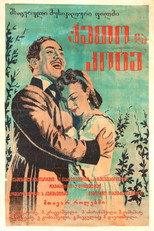
Keto and Kote, from 1948, is a sparkling musical comedy set in old Tbilisi, in which a penniless prince schemes to marry the niece of a wealthy merchant for her dowry, while the young lovers Keto and Kote follow their hearts. Melodies of the Vera Quarter, from 1973, directed by Giorgi Shengelaia, is a joyful musical set among the courtyards and balconies of an old Tbilisi neighbourhood, full of song and dance.
The Georgian children's films are full of mountains, the Black Sea and a gentle sense of humour. Manana follows a mischievous little girl full of tricks, Metichara follows an eleven-year-old girl who befriends a dolphin, The Adventures of Eli and Raru follows a little pony rescued by a group of children, and Seekers of the sunken city follows children who set out to discover a city lost beneath the waves. Deduna shows life in a Georgian village through the eyes of a ten-year-old girl, Feola follows a man asked to organise a children's football team, though he has little idea how the game is played, and The Little Knights follows a young teacher who wins the hearts of her pupils.
The Captains follows two boys who dream of the naval academy in Batumi, Marvellous Suit follows students who share a single smart suit between them, Naughty Kids: Operation New Year follows a brother and sister on a holiday adventure, and The Chained Knights sends Don Quixote and Sancho Panza to Georgia on a quest to free Prometheus from his chains. Men and Others, My Dear, Beloved Grandpa, I, Godfather of Pele! and Holiday in Expectation of a Holiday complete a lovely collection.
Armenia, Azerbaijan and Kazakhstan
Armenia's studios in Yerevan made many fine films for children. A Drop of Honey retells the tales of Hovhannes Tumanyan, the national poet whose stories every Armenian child knows, Prisoners of the Bobcat Ravine follows five friends trapped in a mountain ravine, Golden Bull Calf is a comedy about two villages competing over a prize-winning calf, and The Father follows a builder's big, lively family when his old father comes to stay. Ziazan follows a four-year-old girl who sets off on an adventure of her own, My First Phone follows a boy who receives his long-awaited first phone, and The Kite Day follows a girl finding her way through a hard time in her family.
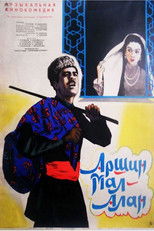
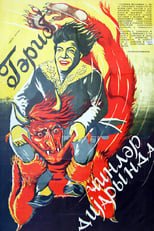
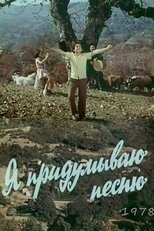
Azerbaijan's studios in Baku are famous for musical comedy. Arshin Takes a Wife, from 1945, adapts Uzeyir Hajibeyov's famous operetta about a young merchant who disguises himself as a cloth seller to find a bride for love. Garib in the Land of Jinn follows twin brothers on an adventure in a magical land, The Lion Ran Away from the House is a musical fairy tale about a lion who is bored of life at the zoo, and I Compose a Song follows a talented ten-year-old singer. Mystery of the Ship Clock follows a Baku boy on a chain of adventures, Asif, Vasif, Ağasif follows three little brothers, The Pain of a Baby Tooth follows a boy losing his last baby tooth, and Painful Roads retells the folk tale of Malikmammad and the three princes. Unusual Hunt is a film about protecting nature, and The Birthday Party is a lyrical story about true friendship.
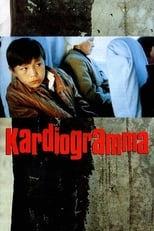
From Kazakhstan come My Name Is Kozha, from 1963, about a funny boy who is always getting into trouble, one of the most famous children's films of Central Asia, and Cardiogram, from 1995, about a twelve-year-old boy from the steppe who goes to a sanatorium and discovers the wider world.
Greece and the Arab world
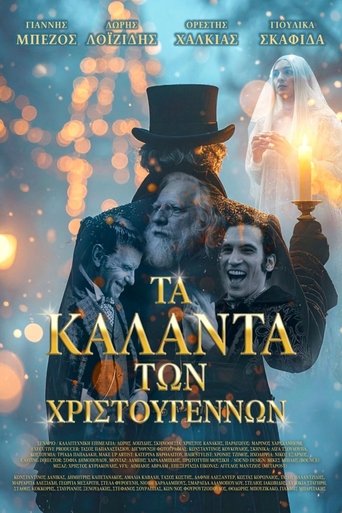
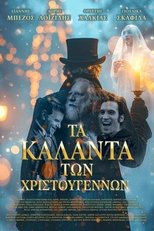
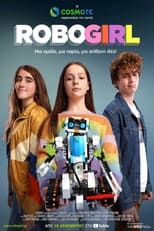
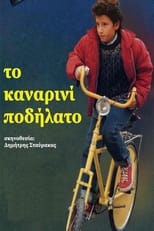
The Greece and the Arab world shelf holds 17 titles. The Little Dolphins, from 1994, is a much-loved Greek film set between the two world wars in a seaside village on the Ambracian Gulf, where a group of children spend a summer of adventures. My Uncle The Ninja and its sequel follow an eleven-year-old boy with a black belt in karate, Robogirl follows a fourteen-year-old girl who discovers a love of science, Snow Cookies follows a confectioner in a mountain village, Tzitzipongo follows a young father's quest on his last day of holiday, and The Christmas Carols retells Charles Dickens' A Christmas Carol in a Greek setting. Innocent Souls, The Little Beggar Girl, Trip to Australia, O mikros drapetis and To kanarini podilato complete the Greek collection.
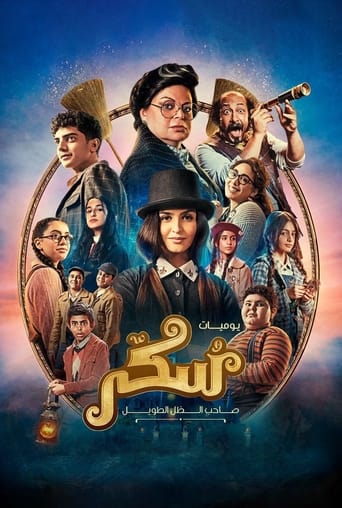
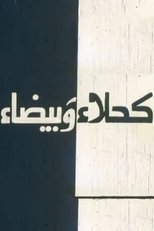
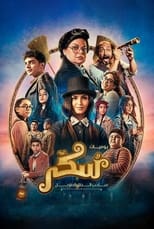
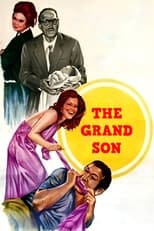
From Egypt come Sukkar, a musical set in an orphanage around a little girl named Sukar, and The Grandson, a classic family comedy of 1975 about a family with seven children. From Saudi Arabia comes Valley Road, about a boy who gets lost on a journey and discovers a world of strange characters, and from Algeria come Kahla wa Bayda, about a boy who sets out to collect enough money to buy a wheelchair, and Ali Baba's Trial, about a boy who hears the story of Ali Baba from his teacher.
Family series
Turkish and Iranian families have long gathered in front of the television for their favourite series, and the Series shelf holds 16 of the gentlest and funniest. Our People, first shown in 1989, follows the residents of an Istanbul apartment block, their friendships, quarrels and celebrations, over more than a decade of episodes. Super Dad, from 1993, follows a widowed father raising his three children, a warm and funny family series that many Turkish viewers remember with great affection.
Şaşıfelek Çıkmazı is a nostalgic series about a neighbourhood in the nineties, Akasya Durağı follows the drivers of a taxi rank and their families, Geniş Aile is a comedy about a large and lively family, and Yedi Numara follows a household of city girls and country boys under one roof. Kalk Gidelim follows a businessman who returns to his village with his unsuspecting family, Seksenler is a nostalgic look at family life in the eighties, and Green Sea: Millenium returns to a cheerful seaside town on the Black Sea.
Magic and adventure have their place too. Sihirli Annem follows a family whose mother is a fairy, Acemi Cadı follows a teenage girl who discovers she is a witch, and Tozkoparan İskender follows a twelve-year-old archer with extraordinary gifts. An Anatolian Tale follows a young inventor in a small mountain town. From Iran come Paytakht, a popular comedy about a family from the north of the country, On Tiptoes, a gentle comedy of everyday life, and The Demon and the Forehead Moon, a fairy tale about a girl with a shining moon on her forehead.
Fairy tales and legends
The Fairy tales and legends shelf holds 25 titles, from the folk tales of Anatolia to the fables of Persia and the myths of the Caucasus. Keloğlan and Kadifeden Kesesi are Turkish folk tales, Snow White and the Seven Dwarfs retells the Grimm tale with a Turkish child star, and Garib in the Land of Jinn and Painful Roads come from the folk tales of Azerbaijan.
From Iran come Once Upon a Time, in which a magical letter carries the reader into a world of Persian fairy tales, Nowruz, about Uncle Nowruz and the arrival of spring, and The Wind Carpet, a gentle story about a Japanese girl and an Iranian boy brought together by a carpet woven for a festival in Japan. Kakadu and I Love the Earth follow friendly visitors from other planets, and Majid My Dear follows a lively puppet. The Chained Knights sends Don Quixote to Georgia, and The Christmas Carols brings Dickens to Greece.
Everyday heroes
The Everyday heroes shelf holds 43 titles about children on small quests with big hearts, the special gift of the cinema of this region. A pair of shoes, a goldfish, a notebook, a broken window, a hearing aid, a bicycle: in these films, everyday objects become the heart of great adventures, and children show courage, honesty and kindness in the face of hard times.
Alongside the Iranian classics, Mum's Guest follows a mother in a poor household who must find a way to feed unexpected guests, with the help of her neighbours, Golnar follows a little girl who lives with her grandparents, Fish follows a boy who buys a goldfish for the Persian New Year, and Whispers follows three siblings searching the streets of Tehran for a grown-up who will help them. Better than Neil Armstrong follows four children who set out on a homemade journey to the moon, and The Skier follows a mountain goat that takes shelter in a small village.
Blue Bicycle, Beyaz Balina and Bücür are Turkish stories of the same kind, and Valley Road, Cardiogram, Prisoners of the Bobcat Ravine and Mystery of the Ship Clock follow children on journeys across Saudi Arabia, Kazakhstan, Armenia and Azerbaijan.
Picks by age
For the youngest viewers, choose the puppets and the gentle shorts. City of Mice, Redhat and Cousin, The Bread and Alley, Ziazan and The Adventures of Eli and Raru are perfect first films, and The Lion Ran Away from the House is a cheerful musical fairy tale.
From about seven, children love the quests and the comedies. Children of Heaven, The White Balloon, Where Is The Friend's House?, Keloğlan, Metichara, My Name Is Kozha and Siblings Team are full of adventure and warmth.
From about ten, the school stories and family comedies are ideal. The Chaos Class, Neşeli Günler, Smiling Eyes, Feola, The Little Dolphins and Arif V 216 offer laughter and excitement for the whole family.
Older children and grown-ups watching together will love The Color of Paradise, The Song of Sparrows, Magdana's Donkey, The Runner and Keto and Kote, films that reward patient, curious viewers of every age.
Holidays and festivals
The films of this region follow a rich calendar of festivals. Nowruz, the Persian New Year, arrives with the first day of spring and is celebrated across Iran, Azerbaijan, Central Asia and beyond with fresh greens, painted eggs and a goldfish in a bowl. The White Balloon and Fish take place in the days before Nowruz, and Nowruz is a fairy tale about the arrival of spring.
New Year is the great winter holiday in Turkey, Georgia, Armenia and Azerbaijan, and Naughty Kids: Operation New Year follows a Georgian family's holiday adventure. Greek families celebrate Christmas, and The Christmas Carols is a festive Greek retelling of Dickens. In summer, families head to the sea and the mountains, and The Chaos Class Is on Vacation, The Little Dolphins, Görevimiz Tatil and The Color of Paradise are all set during long summer holidays.
Planning a family film night
A family film night is easy to plan. Begin by choosing a country or a shelf: the Iranian classics for a quiet, moving evening, the Turkish comedies for a night of laughter, the Georgian films for something unexpected, or the fairy tales for younger children. Add the chosen title to My List, check the running time on its page, and press Watch now to see where it is available in your country.
A few small touches make the evening special. Serve a plate of baklava or simit for a Turkish film, a bowl of saffron rice or a cup of tea from a samovar for an Iranian evening, khachapuri for a Georgian film or a tray of shekerbura for an Azerbaijani fairy tale. For a Nowruz film, set out a small bowl of sprouted wheat, and for The Chaos Class, see who can spot the best prank.
After the film, talk about what everyone enjoyed. Which child was the bravest? Would you have shared your shoes like Ali and Zahra, or walked across the hills like Ahmad to return a friend's notebook? Which family would you most like to visit? These conversations are often the best part of the evening.
How Watch now works
Anizm is a guide, and every title page leads to the official services that carry the film or series. The Watch now button opens JustWatch for the country you choose, with the streaming subscriptions, rentals, purchases and free services that carry the title there.
Services change from country to country. Turkish films and series are easiest to find in Turkey and among Turkish communities abroad, Iranian classics are often carried by services that specialise in world cinema, and the Soviet-era films of Georgia, Armenia and Azerbaijan are frequently restored and shared by national film archives. Choosing your country in Anizm makes sure the button always opens the right list. Fifteen countries are available, from Turkey, Greece, Georgia, Armenia, Azerbaijan and Kazakhstan to the United States, Britain, Germany, the Netherlands, France, Canada, Australia, the United Arab Emirates and Sweden.
The help pages
Anizm has fifteen help pages, each a short guide to one corner of the catalogue. How to watch with Anizm explains the search box, the title pages and the Watch now button, Finding a title shares search tips, and My List explains how to save and share your plans.
Iranian children's cinema introduces the great Iranian classics, Short films for children gathers the early shorts and the puppets, Turkish family films visits Yeşilçam and today, School stories follows the Chaos Class, and Child stars meets Ayşecik and Yumurcak.
Georgia and Armenia, Azerbaijan and Kazakhstan travel through the Caucasus and Central Asia, Greece and the Arab world visits the Mediterranean, Fairy tales and legends gathers the magic, Family series lists the best television, Holidays and festivals follows the calendar, and A family film night suggests titles by age.
Grandparents, teachers and wise elders
Many of the films on Anizm are built around the bond between children and the older people in their lives. In The Plane Tree, a grandmother and her grandson grow close during family picnics beneath a great old tree, and in Bag of Rice a little girl and her elderly neighbour spend a day of small adventures together. The Father, from Armenia, fills a builder's busy household with the stories and habits of his old father, and My Dear, Beloved Grandpa, from Georgia, follows the friendship of two elderly men separated by distance.
Teachers are heroes in these films too. In The Chaos Class, the patient Mahmut Hoca slowly wins over the most unruly pupils in Turkey, in The Little Knights a young teacher finds her way into the hearts of her class, and in To kanarini podilato a new teacher brings a fresh spirit to an Athens primary school. These films remind children and adults alike how much a kind and patient grown-up can change a young life.
Parents, too, are often quiet heroes. The father in The Song of Sparrows crosses the city to replace his daughter's hearing aid, the mother in Mum's Guest finds a way to welcome a crowd of unexpected guests with the help of her neighbours, and the widowed father in My Father is a Hero fills his son's days with games and stories. Watching these films together is a gentle way for families to talk about the love and patience that hold them together, and about the many small ways that grown-ups and children look after one another.
Learning languages with films
Family films are a lovely way to hear the languages of the region. Turkish, Persian, Georgian, Armenian, Azerbaijani, Kazakh, Greek and Arabic each have their own music, and the films on Anizm let children hear them spoken by people their own age. Every title page lists the original title alongside the English one, and many services carry the films with English subtitles.
For learners of Turkish, the family comedies such as Neşeli Günler and Siblings Team use clear, everyday language, and the series Super Dad is full of the warm conversations of family life. For learners of Persian, the Iranian children's films are ideal, because they speak simply and slowly about everyday things, and the short films such as The Bread and Alley use very few words at all. The musical comedies of Azerbaijan and Georgia, such as Arshin Takes a Wife and Keto and Kote, are full of songs that are a joy to learn.
Watching a film twice, first with subtitles and then with the sound alone, is a simple way to build confidence, and families who speak these languages at home will find the films a wonderful way to share their language with the youngest generation.
A short history
The family films on Anizm come from several great film traditions. In the Caucasus, the studios of Tbilisi, Yerevan and Baku made films from the thirties onward, and the musical comedies of the forties, such as Arshin Takes a Wife and Keto and Kote, became favourites across the Soviet Union. In the fifties and sixties, Georgian directors such as Tengiz Abuladze and Revaz Chkheidze made poetic films about village life, and Magdana's Donkey won a prize at Cannes. In Kazakhstan, My Name Is Kozha became one of the best-known children's films of Central Asia.
In Turkey, the Yeşilçam studios of Istanbul made hundreds of films a year in the sixties and seventies. Child stars such as Ayşecik and Yumurcak, comedians such as Kemal Sunal and directors such as Ertem Eğilmez created the family comedies that Turkish television still shows every holiday, and The Chaos Class became a national institution.
In Iran, the founding of Kanoon in the sixties gave young filmmakers such as Abbas Kiarostami, Amir Naderi and later Jafar Panahi and Majid Majidi the chance to make films about children. From the late eighties onward, films such as Where Is the Friend's House?, The White Balloon and Children of Heaven won prizes at festivals around the world, and Iranian children's cinema became one of the most admired in the world. Today, new generations of filmmakers in all these countries continue to make films for families, from Turkish comedies and Greek Christmas films to Saudi road movies and Armenian stories for the very young.
Hidden gems
Beyond the famous titles, Anizm holds many smaller films that deserve a wider audience. Arshin Takes a Wife, from 1945, is the oldest film in the catalogue and a joyful musical comedy. Golden Bull Calf is a sunny Armenian comedy of village rivalry, The Lion Ran Away from the House is a charming Azerbaijani musical fairy tale, and Feola is a funny Georgian film about football and friendship.
Bag of Rice is a gentle Iranian film about an unlikely friendship between a little girl and an old woman, Bread and Poetry follows a young baker who sends his poems to a magazine, and Seh Ta Bezan Bahador follows three young friends who dream of building an orphanage. The Little Beggar Girl is a classic Greek film of 1963, and Kahla wa Bayda is a tender Algerian story about a boy with a generous plan.
A perfect first night
If you are new to Anizm, start with a film that everyone in the family can enjoy together. Children of Heaven is moving and full of hope, The Chaos Class is a riot of classroom pranks, Magdana's Donkey is a short and beautiful Georgian classic, and City of Mice is perfect for the youngest viewers. For a series, Super Dad or Our People are easy to enjoy over a week of evenings.
After the first film, let each member of the family choose the next one from their favourite country. Soon everyone will have a favourite hero, whether it is a boy running a race for a pair of shoes, a little girl with a goldfish, a class of lovable pranksters or a widow who saves an old donkey, and the family will have a shared list of stories to return to again and again.
Why these films matter
The family films of Turkey, Iran and the Caucasus share a special gift: they find great drama and great humour in small things. A lost pair of shoes, a borrowed notebook, a goldfish for the New Year or a donkey by the roadside become the centre of a whole world, and children learn from them that honesty, kindness and courage matter in every life, however small its adventures may seem.
They also open a window onto cultures that many children elsewhere rarely see on screen, from the crowded streets of Tehran and the courtyards of Tbilisi to the villages of Anatolia and the steppe of Kazakhstan. Watching them together is a joyful way to discover how much families everywhere have in common, from the love between brothers and sisters to the pride of grandparents and the mischief of children in every classroom.
A note on the family calendar
The family calendar on the home page is a small tribute to the anime calendar of the original site, which listed the new episodes of each weekday. On Anizm, each grey bar stands for a country or for the series, and each row of cards shows a few of the most popular titles from that shelf. It is a quick way to find something new from each corner of the catalogue, and every bar opens the full shelf.
Happy viewing
Anizm is made for families who love good stories and want to discover the family cinema of Turkey, Iran, the Caucasus and their neighbours. Search for a favourite title, browse the calendar and the shelves, add a few films to My List and press Watch now when the evening comes. Every page is ready with its story, its cast and its episodes, and the help pages are ready with a fresh idea for every evening. İyi seyirler, as they say in Turkey, and happy viewing from everyone at Anizm.
Questions
What is Anizm?
Anizm is an English guide to 156 family films and series from Turkey, Iran, Georgia, Armenia, Azerbaijan, Kazakhstan, Greece and the Arab world, with a Watch now button that opens each title on JustWatch for your country.
Which countries are included?
Turkey, Iran, Georgia, Armenia, Azerbaijan, Kazakhstan, Greece, Egypt, Saudi Arabia and Algeria.
Is this an anime site?
Anizm keeps the look of the Turkish anime site it is named after, and its catalogue is made of family films and series chosen for families.
Are the films in English?
The guide is in English. The films are in their original languages, and many services offer subtitles.
Which Iranian classics are here?
Children of Heaven, The Color of Paradise, The White Balloon, Where Is the Friend's House?, The Runner, The Mirror and The Song of Sparrows, among others.
What is The Chaos Class?
The most famous Turkish school comedy, Hababam Sınıfı, about a class of lovable pranksters and their patient teacher, first filmed in 1975.
How does Watch now work?
Choose your country and press Watch now. JustWatch opens with the subscription, rental, purchase and free services that carry the title where you live.
What is My List?
My List keeps the titles you plan to watch in your browser. You can export it to a small file and import it on another device.